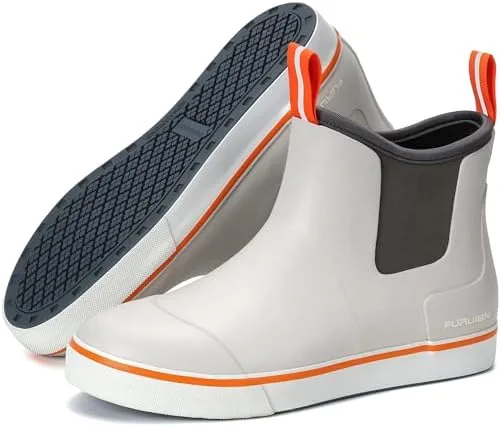
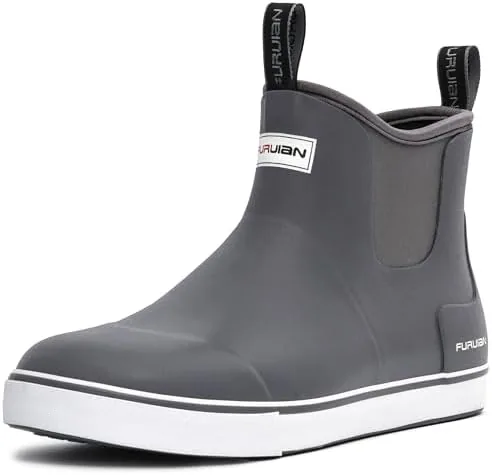
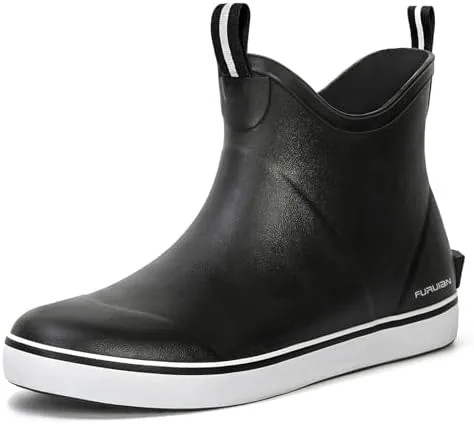
Furuian — Deck & Rain Boots
Built for Workers Who Brave the Elements Daily
Best Furuian deck & rain boots represent a commitment to the hardworking individuals who refuse to let weather conditions compromise their safety or productivity. From fishing vessel decks drenched in saltwater to warehouse floors slick with moisture, these boots serve professionals who need reliable protection without paying premium prices. The brand's mission centers on delivering ASTM F2413-18 certified footwear that keeps workers safe from falling objects, puncture hazards, and slippery surfaces — all while maintaining comfort throughout grueling shifts.
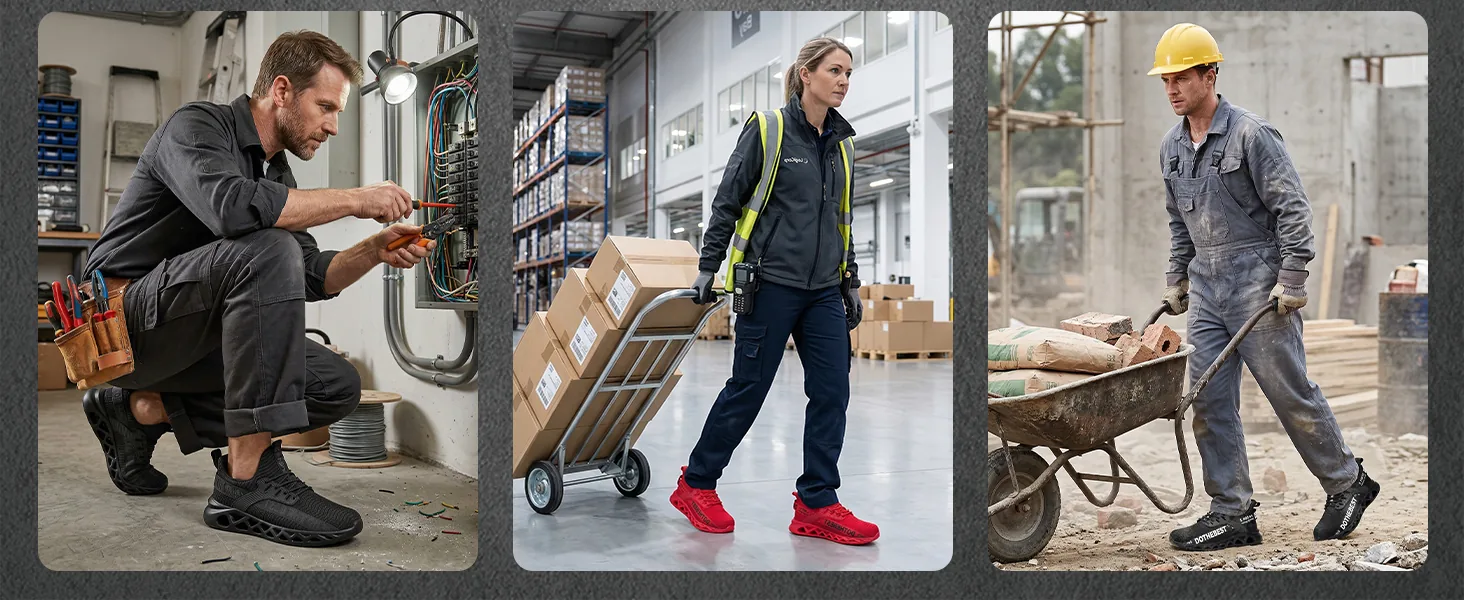
The target audience spans warehouse workers navigating distribution centers, construction crews facing unpredictable job site conditions, and maritime professionals battling the constant assault of water and debris. Furuian understands that these workers cannot afford equipment failures or uncomfortable footwear that creates distractions from critical tasks. Every design decision reflects input from real workers who demand functionality over fashion statements.
Based in Weifang, Shandong, China, the brand leverages advanced manufacturing capabilities to produce safety footwear that meets rigorous international standards. The combination of competitive pricing and certified protection makes these boots accessible to independent contractors and large industrial operations alike. Workers no longer need to choose between budget constraints and genuine safety compliance when outfitting their teams.
Complete Protection From Dock to Distribution Center
The product range addresses the full spectrum of wet-condition work environments where traditional safety boots fall short. Rubber and neoprene construction creates an impenetrable barrier against water intrusion, whether workers face steady rain on construction sites or constant splashing aboard fishing vessels. Each model integrates the slip-resistant outsoles and steel toe protection that industrial environments demand.
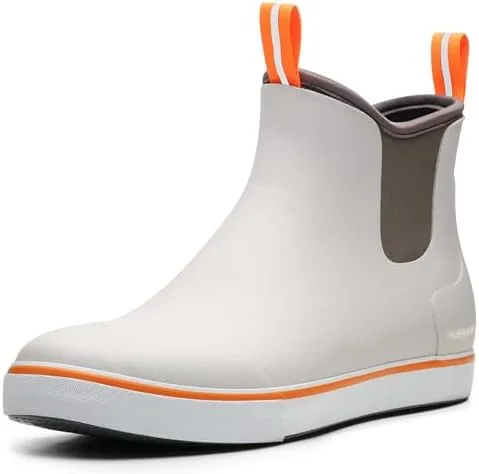
Height options accommodate different job requirements, from mid-calf styles suited for warehouse work to taller shaft designs that protect gardeners and deck workers wading through standing water. The collection includes variations optimized for temperature regulation, with some models featuring insulated linings for cold-weather marine work and others prioritizing breathability for indoor industrial settings.
Beyond the core waterproof boots, the lineup extends to accessories designed for extended comfort during long shifts. Cushioned insole replacements and moisture-wicking sock options complement the primary footwear, ensuring workers maintain dry, comfortable feet regardless of shift length. This comprehensive approach transforms the boots from simple protective equipment into a complete foot protection system.
Multi-Layer Defense Engineering Philosophy
The engineering approach prioritizes layered protection that addresses multiple hazards simultaneously rather than focusing on single-threat solutions. Steel toe caps meeting ASTM F2413-18 standards provide impact resistance exceeding 200 joules, sufficient to protect against heavy tools, equipment, and falling cargo common in industrial settings. This certification represents third-party verification that the protective elements perform as claimed under standardized testing conditions.
Beneath the foot, puncture-resistant midsoles create a barrier against nails, glass, sharp metal debris, and other penetrating hazards that workers encounter on construction sites and in salvage operations. This layer works independently of the waterproof exterior, meaning the puncture protection remains effective even if the outer materials sustain surface damage during heavy use.
The waterproofing system combines vulcanized rubber with neoprene elements that maintain flexibility while blocking water penetration. Unlike boots relying solely on surface treatments that degrade over time, this construction-based waterproofing delivers consistent performance throughout the product lifecycle. The slip-resistant outsoles feature tread patterns specifically engineered for wet and oily surfaces, providing traction where standard work boots would fail.
Weight reduction receives equal engineering attention, as heavy boots contribute to fatigue during eight-hour shifts and beyond. Strategic material placement concentrates protective elements only where impact and puncture risks exist, while lighter materials handle structural support in low-risk zones. The result is certified safety footwear that feels significantly lighter than comparable steel-toe alternatives.
Furuian Deck & Rain Boots: Core Features That Matter
- ASTM F2413-18 Steel Toe Certification Third-party verified impact protection exceeding 200 joules shields toes from falling objects, heavy machinery contact, and compression hazards found in warehouses and construction zones.
- 100% Waterproof Construction Vulcanized rubber paired with neoprene creates a seamless moisture barrier that keeps feet dry during extended exposure to rain, standing water, and marine environments.
- Puncture-Resistant Midsole Technology Multi-layer protective plates between the foot and ground prevent penetration from nails, broken glass, sharp metal, and other debris common on job sites.
- Advanced Slip-Resistant Outsoles Unique tread patterns channel water and oil away from contact surfaces, maintaining grip on wet decks, slick warehouse floors, and greasy industrial surfaces.
- All-Day Comfort Cushioning Lightweight construction combined with cushioned insoles reduces fatigue during extended shifts, allowing workers to maintain focus on safety-critical tasks.
- Chemical and Oil Resistance Outer materials withstand exposure to common industrial chemicals, petroleum products, and saltwater without degradation or loss of protective properties.
Top Performers Trusted Across Industries
The waterproof steel toe deck boots consistently rank as the most purchased option among commercial fishing operations and maritime workers. These boots combine the full suite of protective features with a shaft height appropriate for deck work where ankle support matters. Users report that the combination of slip resistance and cushioned insoles makes the difference during 12-hour shifts aboard moving vessels.
Warehouse and distribution center workers gravitate toward the mid-height industrial rain boots that provide certified toe protection without the bulk associated with traditional safety footwear. These models excel in environments where workers transition between loading docks exposed to weather and climate-controlled interior spaces. The lightweight construction reduces the energy expenditure associated with constant movement through large facilities.
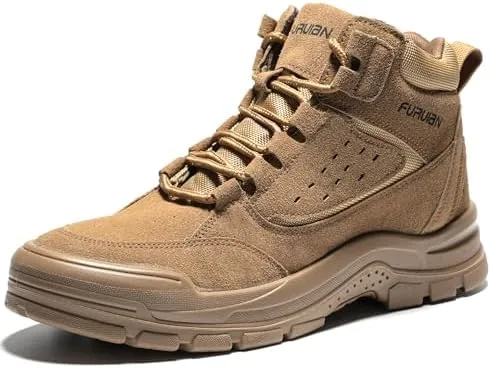
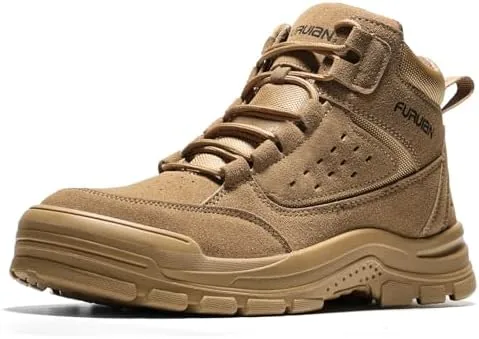
Construction crews working outdoor sites favor the heavy-duty puncture-resistant models engineered for terrain littered with demolition debris and fasteners. These boots deliver the most comprehensive protection package, sacrificing minimal weight for maximum defense against the varied hazards present on active construction zones. Supervisors appreciate that the visible steel toe caps signal safety compliance during site inspections.
Vulcanized Rubber, Neoprene & Steel Core Construction
Primary waterproofing relies on vulcanized rubber that undergoes a heat-treatment process bonding the material at the molecular level. This creates a seamless exterior without the seams and stitching that allow water infiltration in traditional leather work boots. The vulcanization process also enhances durability, allowing the rubber to resist cracking and degradation from UV exposure and petroleum-based chemicals encountered in industrial settings.
Neoprene sections provide flexibility where the rubber construction would otherwise restrict natural foot movement. These synthetic rubber panels maintain waterproof integrity while allowing the ankle area and upper shaft to flex during walking, climbing, and kneeling. The neoprene also contributes insulating properties that help regulate foot temperature across varying work conditions.
Steel toe caps manufactured from hardened alloys meet the specific impact and compression requirements established by ASTM testing protocols. The caps integrate into the boot structure during manufacturing rather than being added as aftermarket components, ensuring proper positioning and retention under stress. Puncture-resistant midsole plates use composite materials that block penetration while adding minimal weight compared to full-steel alternatives.
Interior cushioning utilizes EVA foam that compresses under foot pressure to absorb impact, then recovers its shape between steps. This material maintains cushioning performance over extended use periods, unlike cheaper foam alternatives that permanently flatten within weeks. Moisture-wicking fabric linings pull sweat away from skin contact, reducing blister formation and keeping feet comfortable during long shifts.
Proven Traction and Endurance Through Demanding Conditions
Field performance data gathered from warehouse operations shows measurable reductions in slip-related incidents when workers transition to the specialized outsole design. The tread pattern features channels that direct water away from the sole surface, maintaining rubber-to-floor contact even on wet concrete. Oil resistance testing confirms that petroleum-based lubricants and hydraulic fluids do not compromise grip on industrial flooring surfaces.
Durability assessments conducted over six-month deployment periods in commercial fishing environments demonstrate consistent waterproof performance despite daily saltwater exposure. The vulcanized rubber construction resists the cracking that typically affects standard rubber boots after prolonged marine use. Workers report that the boots maintain their protective certifications throughout heavy use cycles without requiring premature replacement.
Comfort performance metrics reveal that workers wearing these boots report lower fatigue levels compared to those using heavier steel-toe alternatives from competing manufacturers. The weight reduction engineering translates directly into reduced energy expenditure during shifts involving continuous walking or standing. Cushioning retention tests show the EVA insoles maintain their shock-absorption properties through hundreds of hours of wear, supporting consistent comfort throughout the product lifecycle.
How to Use Furuian Deck & Rain Boots for Maximum Protection
- Pre-Shift Inspection Examine the entire boot surface for cuts, punctures, or separation before each use. Any breach in the rubber exterior compromises waterproofing and should be addressed before exposure to wet conditions.
- Proper Sizing with Work Socks Always try boots while wearing the same thickness of socks intended for work use. The steel toe requires slight forward clearance to protect toes during impact rather than pressing against them.
- Break-In Period Wear the boots for shorter periods during the first week to allow materials to conform to your foot shape. The neoprene sections soften and flex more naturally after initial use.
- Lacing and Closure Adjustment For models with adjustable closures, secure them firmly enough to prevent heel slip without restricting blood flow. Proper fit prevents blisters and ensures the steel toe remains positioned correctly.
- Post-Shift Drying Remove insoles and store boots in a ventilated area between uses. Trapped moisture encourages bacterial growth and can degrade interior materials over time.
- Periodic Deep Cleaning Rinse exterior surfaces with fresh water after saltwater or chemical exposure. Use mild soap for stubborn residue, avoiding petroleum-based cleaners that may degrade rubber compounds.
Fit Guidelines for Steel Toe and Wide Foot Compatibility
Sizing Considerations
- Order true to your standard work boot size
- Allow thumb-width space between longest toe and steel cap
- Width accommodates standard to slightly wide feet
- Consider half-size up if wearing thick thermal socks
- Ankle circumference fits most standard leg proportions
Safety Fit Indicators
- Heel stays planted during walking motion
- Toes do not contact steel cap during forward movement
- No pressure points along boot shaft
- Adequate ankle support without restricted flexion
- Comfortable standing for extended periods
Essential Footwear for Maritime and Industrial Professionals
Commercial fishing crews represent the core beneficiary group, facing constant deck wash-down, unpredictable wave splash, and slippery surfaces covered in marine life residue. The combination of waterproof construction and superior traction addresses the primary hazards these workers encounter during every shift. Steel toe protection guards against heavy catch boxes, equipment failures, and the inherent chaos of working on moving vessels.
Warehouse and distribution center employees working loading docks experience weather exposure that standard indoor footwear cannot handle. Rain, snow, and puddles accumulate in these transitional zones, creating slip hazards and wet conditions that persist throughout shifts. Workers who buy Furuian deck & rain boots for these environments report consistent comfort and protection regardless of weather conditions.
Agricultural workers and commercial gardeners benefit from the combination of waterproof materials and puncture protection when working in muddy fields or handling debris-laden soil. The boots protect against irrigation system runoff, pesticide application moisture, and the constant ground contact inherent to planting and harvesting operations. Construction site workers appreciate identical protection against the varied hazards present during building projects exposed to weather events.
Selecting Your Ideal Deck & Rain Boots Model
Model selection begins with identifying the primary hazard profile of your work environment. Workers facing frequent falling object risks should prioritize models featuring the heaviest-rated steel toe protection, while those working in hazard-minimal wet conditions might select lighter alternatives focusing on waterproofing and comfort. Construction site workers typically need the comprehensive protection package including both toe protection and puncture-resistant midsoles.
Shaft height selection depends on water depth exposure and ankle support requirements. Deck workers and fishermen generally benefit from taller shaft designs that prevent water entry during deep splashing, while warehouse workers may prefer mid-height options that balance protection against ease of movement. Consider the typical water levels encountered and whether you frequently kneel or climb during work tasks.
Climate conditions influence insulation requirements significantly. Workers in cold-weather marine environments or refrigerated warehouses should select insulated models, while those in temperate or warm conditions benefit from increased breathability. The moisture-wicking liner options help regulate temperature across varying conditions, but dedicated insulation provides essential warmth when temperatures drop significantly.
Evaluate the surface conditions of your primary work area when assessing outsole options. Different tread patterns optimize grip for specific surface types, with some designs excelling on wet metal decks while others provide superior traction on oily concrete. Match the outsole specification to your most challenging surface conditions for maximum safety benefit.
Furuian Shoe Size Chart — Women's & Men's
| US Women's | US Men's | EU | UK | Foot Length (cm) | Foot Length (in) |
|---|---|---|---|---|---|
| 5 | 3.5 | 35 | 2.5 | 21.6 | 8.5 |
| 5.5 | 4 | 35–36 | 3 | 22.2 | 8.7 |
| 6 | 4.5 | 36 | 3.5 | 22.5 | 8.9 |
| 6.5 | 5 | 37 | 4 | 23.1 | 9.1 |
| 7 | 5.5 | 37–38 | 4.5 | 23.5 | 9.3 |
| 7.5 | 6 | 38 | 5 | 23.8 | 9.4 |
| 8 | 6.5 | 38–39 | 5.5 | 24.1 | 9.5 |
| 8.5 | 7 | 39 | 6 | 24.6 | 9.7 |
| 9 | 7.5 | 40 | 6.5 | 25.1 | 9.9 |
| 9.5 | 8 | 40–41 | 7 | 25.4 | 10.0 |
| 10 | 8.5 | 41 | 7.5 | 25.9 | 10.2 |
| 10.5 | 9 | 41–42 | 8 | 26.2 | 10.3 |
| 11 | 9.5 | 42 | 8.5 | 26.7 | 10.5 |
| 12 | 10.5 | 43 | 9.5 | 27.6 | 10.9 |
Furuian shoes run true to size for most customers. If you are between sizes or have wide feet, we recommend sizing up half a size.
Furuian Deck & Rain Boots vs Leading Competitors
| Feature | Furuian | XTRATUF | Muck Boot Company |
|---|---|---|---|
| Steel Toe Protection | ASTM F2413-18 Certified | Available on select models | Available on select models |
| Impact Resistance | Over 200 joules | Varies by model | Varies by model |
| Puncture-Resistant Midsole | Standard on work models | Not standard | Optional on some models |
| Waterproof Construction | 100% vulcanized rubber/neoprene | Rubber construction | Neoprene/rubber blend |
| Slip-Resistant Outsole | Multi-surface tread design | Chevron outsole pattern | Self-cleaning tread |
| Price Point | Budget-friendly | Mid-range to premium | Mid-range to premium |
| Cushioned Insole | EVA foam standard | Varies by model | EVA foam standard |
| Chemical Resistance | Oil and saltwater resistant | Oil resistant | Oil and chemical resistant |
Feature availability varies by specific model within each brand's product line. Verify current specifications before purchase.
Maintaining Waterproof Integrity and Extending Boot Life
- Daily Rinse Protocol Flush exterior surfaces with clean fresh water after each use to remove salt, chemicals, and debris that can degrade rubber compounds over extended exposure periods.
- Interior Moisture Management Remove insoles after each shift and allow both insoles and boots to dry completely in a ventilated area. Stuffing with newspaper accelerates moisture absorption from interior surfaces.
- UV Protection Storage Store boots away from direct sunlight when not in use. Prolonged UV exposure causes rubber to crack and lose flexibility, compromising waterproof integrity.
- Surface Treatment Apply rubber conditioner products quarterly to maintain material flexibility and prevent dry-rot in vulcanized rubber sections. Avoid petroleum-based products that may degrade certain rubber compounds.
- Insole Replacement Schedule Replace cushioned insoles when compression becomes permanent and shock absorption diminishes. Fresh insoles restore comfort and support typically every six to twelve months depending on use intensity.
- Damage Inspection Routine Check seams, toe boxes, and sole attachment points weekly for early signs of separation or wear. Early detection allows repair or replacement before complete protective failure occurs.